Fine Art Detective · The 2026 Expedition
Tracking Titian’s Treasure
The Pursuit of the Holy Grail
London & Italy — 15 November – 15 December 2026
One painting.
A trail of extraordinary connections.
A journey into the heart of Renaissance Europe.
From a privately held painting in London.
To the court of Isabella d’Este in Mantua.
Through the collections, archives and historic cities of Renaissance Italy.
We follow the evidence.
We question what has been accepted.
And we look closer at the details that may have been overlooked for centuries.
The investigation is going into the field.
Each location has a purpose: to examine original works, trace provenance, study historic documents, meet scholars and conservators, and film the places where the works were made, commissioned and kept.
Ian · Peta · Jordan
Individual museum visits, interviews, filming requests and private access remain subject to institutional permission — appointments are being arranged.
The Opening Chapter
London
15–19 November 2026
The investigation begins with the painting itself, alongside London’s national collections, its archives and the knowledge of specialists.
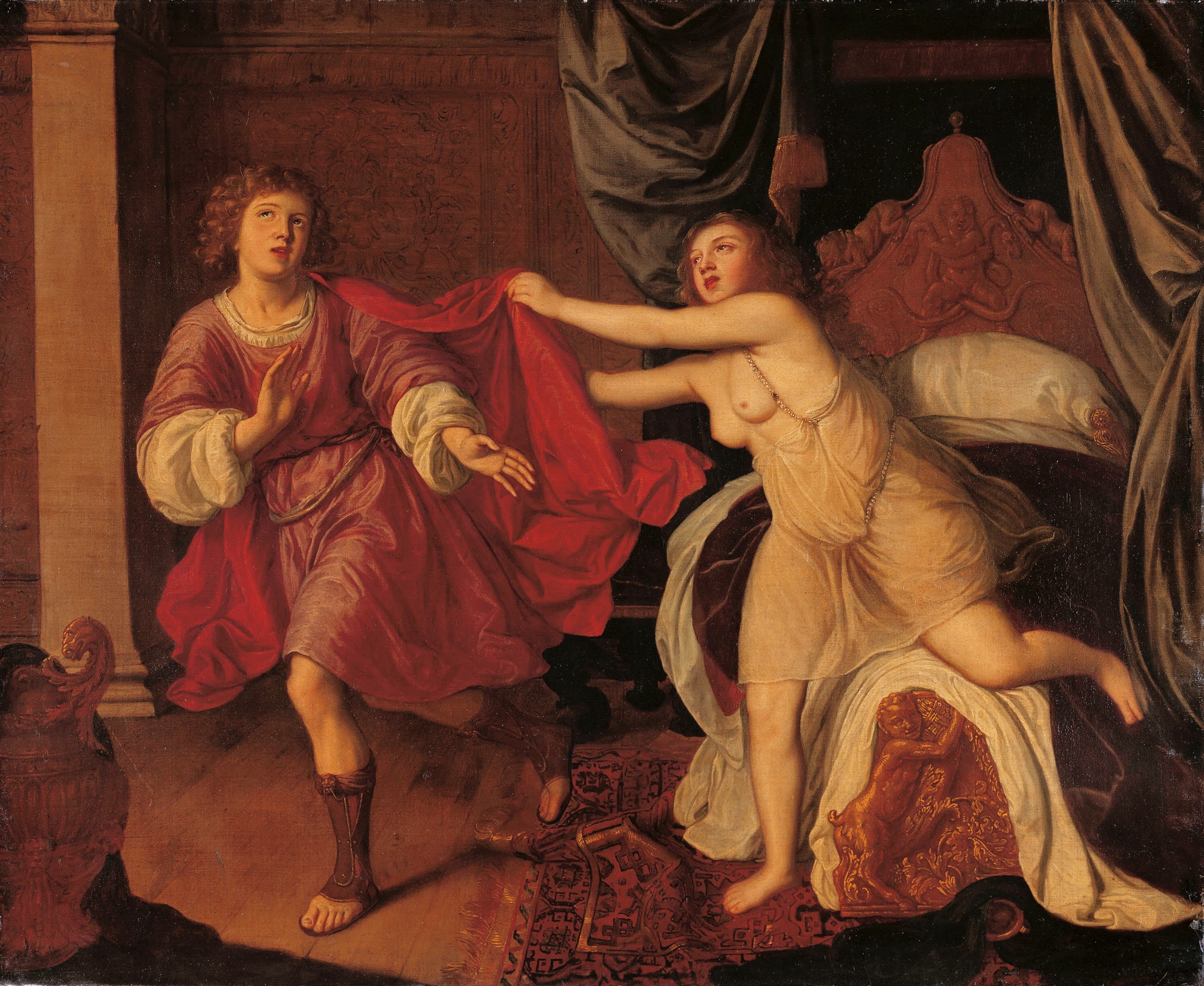
Wednesday 18 November
Tracking Titian’s Treasure
To the Vault
A privately held Renaissance painting.
Decades of investigation.
Historical records and scientific evidence.
Questions surrounding its history and attribution.
An opportunity to stand before the original painting.
And examine the evidence firsthand.
What does the surface of the painting show about how it was made, altered and cared for?
A private viewing has been arranged, with a respected paintings conservator expected to attend. Their attendance does not imply endorsement of any proposed attribution.
Existing scientific evidence forms part of the investigation. Any further examination would require separate agreement.
Following the Bee
The bee in ancient cultures.
Its relationship to the soul.
Its connections to immortality, symbolism and historical traditions.
We are seeking an opportunity to discuss these connections with researcher Andrew Gough, whose work has explored the historical symbolism of the bee.
Also in London
- National GalleryConfirmed guided visit · Tuesday 17 November
- Wallace CollectionIntended research visit
- British LibraryManuscript and archive research, subject to access
- Private collections & galleriesRelevant collections, subject to access
- Specialist meetingsPotential meetings with experts in art history, conservation, symbolism and historical research
The Trail of Evidence
The Golden Thread
From London, the investigation follows the evidence into Italy. Select a destination to open its chapter.
Italy
Following the Thread
From London, the research moves to Italy.
To Leonardo’s Milan and Isabella d’Este’s Mantua.
To Titian’s Venice, the Medici collections of Florence and the processional banner in Urbino.
And finally to Rome.
What can surviving works, records and settings tell us about the painting’s history?
The gold line joins our confirmed bases. Ferrara’s hollow marker shows a planned research visit. Select a city to open its chapter.
The Locations
Each place holds a question
Every location exists in this expedition because of a research question. The order shown follows the confirmed route; individual visits remain subject to access and institutional permission.
LondonOpening chapter15–19 NovemberTo the VaultThe opening chapter — original paintings, historic collections, specialist knowledge and private research opportunities.Look closer
Confirmed
- Tuesday 17 November — a guided visit to the National Gallery.
- Wednesday 18 November — a private viewing of the painting.
Research priorities · subject to access
The Wallace Collection — an intended research visit.
The British Library — intended manuscript and archive research, subject to access.
Relevant private collections and galleries, and potential meetings with experts in art history, conservation, symbolism and historical research.
Existing scientific evidence forms part of the investigation. Any further technical examination would require separate agreement.
Milan19–22 NovemberLeonardo’s LegacyThe artistic world of Renaissance Milan.Look closer
Research priorities · subject to access
Research priorities include the Pinacoteca Ambrosiana and the Codex Atlanticus, Leonardo’s Milanese period, and related works by Raphael, Titian and other Renaissance artists.
Leonardo collections and relevant historic locations remain part of the research. The Sala delle Asse in the Sforza Castle is closed for restoration.
Intended visits remain subject to access.
Mantua22–27 NovemberIsabella d’EsteA central chapter in our investigation.Look closer
Research priorities · subject to access
The Palazzo Ducale, with Isabella d’Este’s Studiolo and Grotta, the culture of the Gonzaga court, and its surviving correspondence and historical records.
The bee and its symbolism, and the developing research concerning the stone, the cup and related historical traditions.
Proposed relationships are presented as questions under investigation, not established historical conclusions.
FerraraPlanned research visit · date to be finalisedThe Este CourtA genuine destination in our expedition — the court at the heart of Isabella d’Este’s family.Look closer
Research priorities · subject to access
Research interests include the Este court, Isabella d’Este’s wider family connections, Lucrezia Borgia, and Titian and the Ferrarese artistic environment.
Historic sites include the Castello Estense and Palazzo Schifanoia. The Camerini d’Alabastro are historical: the paintings once displayed there, including works by Titian, are now held in other collections.
Renaissance collections, archives and surviving evidence, subject to access.
Venice27 November – 1 DecemberTitian’s WorldA centre of Renaissance art, trade, patronage and artistic exchange.Look closer
Research priorities · subject to access
Titian, Giorgione and Giovanni Bellini; the Gallerie dell’Accademia and the Basilica dei Frari; and the painting workshops of Renaissance Venice.
Relevant collections, archives and conservation research connected to the wider enquiry into the painting, its possible origins and related iconography.
Florence1–4 DecemberThe Renaissance CollectionsMedici collections, and the transmission of ideas between cultures.Look closer
Research priorities · subject to access
The Uffizi Gallery, the Museo Nazionale del Bargello, the Pitti Palace and Palatine Gallery, and Florence Cathedral.
The Medici collections, and Leonardo, Botticelli, Donatello and Renaissance artistic culture.
Historical material connected to Europe’s encounters with the Americas — objects, images and the transmission of ideas between cultures.
Urbino4–7 DecemberThe Double-Sided BannerTitian’s processional banner: The Last Supper and The Resurrection of Christ.Look closer
Research priorities · subject to access
The double-sided processional banner associated with Titian, depicting The Last Supper and The Resurrection of Christ.
The investigation seeks to examine its construction, history, iconography, conservation and relationship to other works and ideas. Specialist access and filming remain subject to permission.
Rome7–15 DecemberWhere the Threads ConvergeRaphael, the Borgias, the Sibyls and classical prophecy.Look closer
Research priorities · subject to access
The Vatican Museums, the Raphael Rooms, the Borgia Apartments (subject to access) and the Sistine Chapel; the Galleria Borghese; and ancient Roman collections and sites.
Raphael, the Borgias, the Sibyls, classical prophecy, and religious and spiritual iconography.
We arrive on 7 December. 8 December — the Feast of the Immaculate Conception — falls during our time in Rome.
Institutions and collections named above are planned research destinations, subject to access and research requirements. Mentioning them does not imply that they endorse or participate in Fine Art Detective.
The Purpose
This expedition is not simply about seeing great works of art.
It is about returning to the original objects, places and documents.
Looking again.
Comparing what survives in museums with what remains in archives.
Speaking with the people who conserve and study these works.
And following connections across art, history, religion, symbolism, science, exploration and the changing European understanding of the world.
The journey begins with questions.
The evidence will decide where it leads.
Look closer. See more.
More Than a Journey — a Foundation
What the expedition creates
The expedition does not end when the team returns home. It is designed to generate research and production material that keeps the work moving long afterwards — and, in time, may open investigations we have not yet imagined.
Research
Archives · provenance · comparative material · new evidence
- New research and archival work
- New leads and connections
- Research capable of supporting the following 6–12 months of the work
Access & Expertise
Collections · scholars · conservators · specialists
- Access to relevant collections, archives & historical places, where possible
- Conversations with scholars & specialists
- Investigation of locations, architecture, landscapes & sightlines
Film & Documentation
Original footage · photography · field documentation · conversations
- Original documentary footage & photography
What Comes Next
Episodes · Codex material · research publications · future investigations
- Future episodes
- Material for evolving Codices
- Potentially, entirely new investigations arising from a single discovery
The Final Stage
Rome
7–15 December 2026
8 December · The Feast of the Immaculate Conception
We arrive in Rome on 7 December. Our time there includes the Feast of the Immaculate Conception, a date connected to the research; why it matters will be set out as that research is prepared. The wider Fine Art Detective enquiry continues beyond this expedition.
Along the Route
What we are seeking
Our bases are confirmed, and appointments are being arranged. If the investigation touches your city, institution, collection or field of research — or connects with work of your own — we would like to hear from you.
Archives & Documents
Unpublished correspondence, inventories, provenance records and related manuscripts.
Scholars & Specialists
Relevant expertise in Renaissance art, conservation, material analysis, iconography, court culture and connected fields.
Collections & Access
Relevant works, objects and comparative material in public and private collections.
Connections
Introductions to archives, institutions, specialists, conservators and collections connected to the research.
Know something?
Much of this research depends on the knowledge of curators, archivists, conservators and private collectors.
Partners · Patrons · Collaborators
Help take the investigation into the field
Research of this kind depends on more than travel.
It requires access, expertise, scientific examination, archival research, filming, production — and the ability to follow new evidence when it appears.
Fine Art Detective is seeking Partners, Patrons and Collaborators who can help make the 2026 expedition possible.
Support may include
- Financial support
- Travel
- Accommodation
- Technology
- Equipment
- Specialist expertise
- Introductions
- Access
- Facilities
- Professional services
- Production support
If your research, collection or institution
connects with this work, we would like to hear from you.
Support makes the work possible.
The evidence determines where it leads.
Fine Art Detective remains editorially and investigatively independent. Partnership and collaboration support the work; they do not determine its findings.
Subscribe · Follow · Contact
Connect with us
Receive new episodes, research findings, Codex entries and dispatches from the expedition when there is something worth sharing.
- New episodes
- New Codex entries
- Research developments
- New evidence & connections
- London & Italy 2026 field updates
- Future investigations
When there is more to the story, you will hear it here.
Also find us on
Have something to share — a document, a location, a connection we have not made? Get in touch.